About Roohy
10 min read
Does Roohy work? What to expect at every age
Written bythe Roohy editorial team
Published

Does Roohy work? Roohy works as a way to practice: it takes everyday skills like paying attention, holding back impulses, and adapting to change, and turns them into short games you play with your child, adjusted to their age. What Roohy can’t do is guarantee a specific result because these skills grow gradually and on a different timeline for every child.
So the more useful question is what Roohy gives your family and how to use it well. Below, we cover why the games are built the way they are, what they look like from age 3 to 9 and up, and how to decide whether Roohy is worth it for you.
What is Roohy, and does it work?
Roohy creates quick guided activities and games for both kids and adults, built so that the useful part and the enjoyable part happen at the same moment. A short quiz shapes your personal plan, and the app walks you through each practice, so you always know what comes next.
Whether Roohy works depends on what you expect from it. Roohy is made for practice: a regular, enjoyable reason to use a skill and a clear way to do it. It isn’t a treatment or a diagnosis, so, for example, if you have concerns about your child’s development, a pediatrician is the right person to talk to.
Roohy is for grown-ups too, with the same idea behind it: short practices for body and mind that you’ll enjoy doing. This article focuses on kids, and you’ll find ideas for adults on the Roohy blog.
For kids: why Roohy’s approach makes sense
Concentration, impulse control, and mental flexibility belong to a group of skills researchers call executive function. The Harvard Center on the Developing Child names three core parts: working memory (holding information in mind and using it), inhibitory control (pausing to think before acting), and cognitive flexibility (switching gears when demands change).
Every child is born with the potential to develop these skills through interaction and practice. According to the Center, kids build them through enjoyable activities and social play that challenge them at gradually rising levels.
Roohy builds on that research. The Roohy kids’ plan, Brain Activation Exercises for Kids, gives your child a fun, regular chance to use one of these skills in every game, with you right there to play along.
Short, off-screen, and played together
Four things about the format help the practice happen:
- Short rounds. Each game lasts 15 minutes at most, easy to fit in before dinner or between homework and bath time.
- Something new each day. A fresh game is ready daily, and favorites return later with a twist.
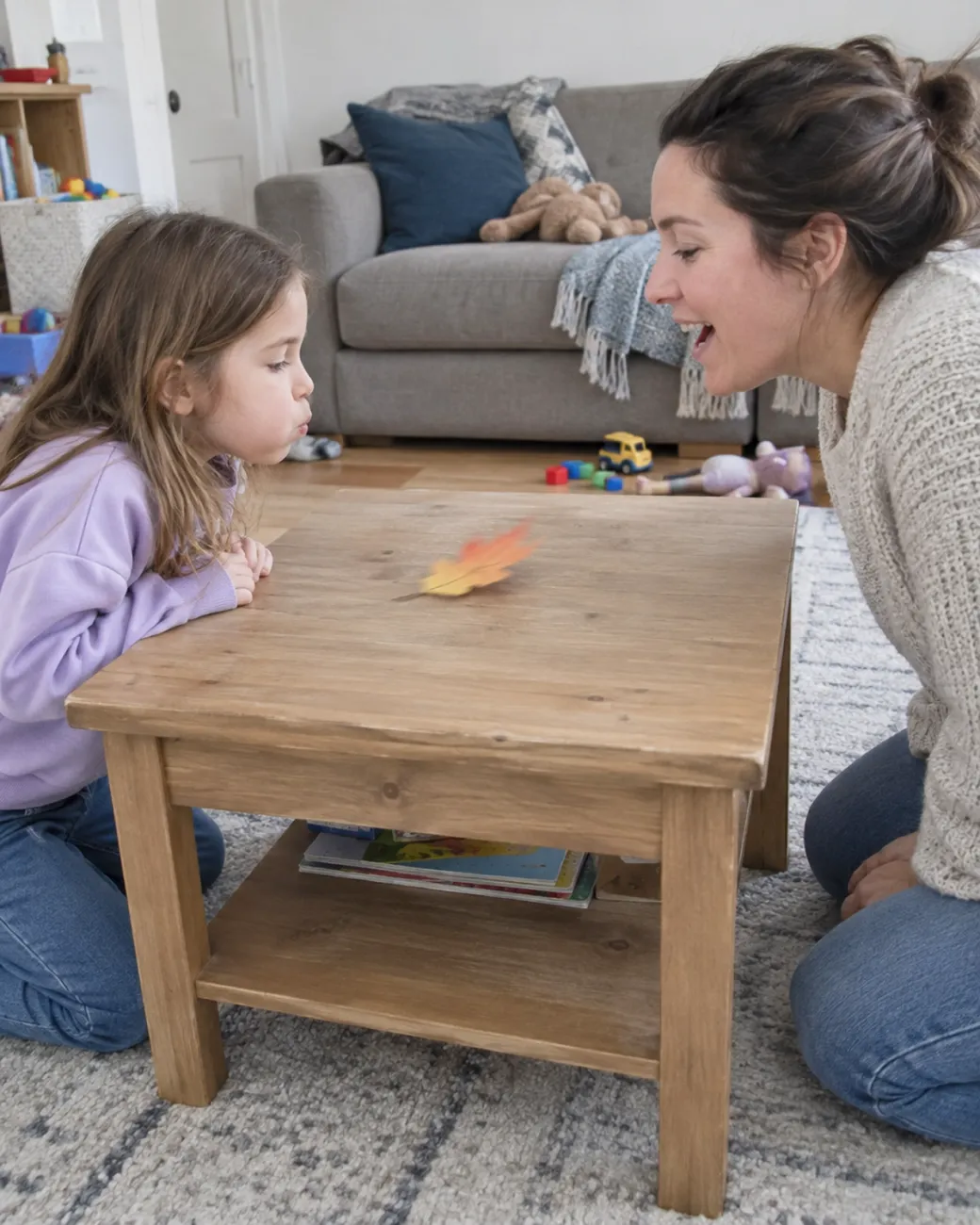
- Played in real life. The app tells you what to say and do, and the game itself happens away from the screen: hopping, freezing, guessing, and giggling together.
- Played with you. You add support while a game is new and step back once your child gets the hang of it, which researchers call scaffolding.
The challenge grows with your child
Kids practice best when a game is challenging but doable. Roohy adapts each game to your child’s age group, and familiar games come back with extra rules or harder levels.
What Roohy looks like at every age
Roohy games come in versions for four age groups: 3–4, 5–6, 7–9, and 9+. Here’s what kids in each group are typically ready to practice and how Roohy meets them there. Children don’t all develop on the same schedule, so treat this as a rough guide.

Ages 3–4: one rule, lots of movement
At this age, kids are just learning to follow rules in play, and they need plenty of help from an adult to keep a rule in mind. Expert activity lists for preschoolers lean on freeze games, action songs, and pretend play.
Roohy games for 3- and 4-year-olds usually have one clear rule and a lot of action: freeze when the music stops, copy a short chain of moves, or find the toy hiding under a cup. Short and silly is the point.
Ages 5–6: rules, signals, and taking turns
Five- and six-year-olds can usually hold a rule or two in mind and enjoy games with turns, signals, and a clear winner. Playground classics like Simon Says and Red Light, Green Light show up in expert guides for this age because kids have to listen, wait, and stop themselves at the right moment.
In Roohy, games for this age add a second rule or a quick switch: march on one signal, freeze on another, then swap the signals halfway through. Memory games get a little longer, too.
Ages 7–9: strategy, switching, and longer focus
By seven, most kids can follow more complex rules and plan a move or two ahead. Activity guides for this age suggest card, board, and strategy games, music, and brain teasers, made steadily harder over time.
Roohy games here ask your child to juggle more: several rules at once, longer sequences to remember, and twists that make them rethink the plan mid-game.
Ages 9+: bigger challenges, more independence
Older kids are ready to take the lead, and the challenge comes from stacking rules and adapting quickly when something changes.
At this stage, Roohy games lean on harder levels and trickier rule switches, and your child can increasingly run a round while you join in as a player.
What parents want to work on, and how Roohy helps
The Roohy quiz asks what you’d like to start with, and the options cover the most popular everyday goals. Here’s how each one can show up at home and in the games.
“I want my child to stay focused on one thing”
- At home: the puzzle gets abandoned halfway, or getting dressed takes six reminders.
- In Roohy: listening and memory games ask your child to hold onto information a little longer each time, like repeating a growing pattern of claps.
- Try this: play when your child is rested, and keep those few minutes calm and free of screens.
“I want my child to wait and pause before acting”
- At home: grabbing a toy before it’s their turn, or shouting out answers before the question is finished.
- In Roohy: stop-and-go games make waiting the exciting part. Your child has to hold still until the signal and then move, and the fun comes from getting the timing right.
- Try this: when real-life waiting comes up, borrow the game’s language. A playful “Freeze… and go!” at the crosswalk keeps the practice going between rounds.
“I want my child to cope better when plans change”
- At home: tears when the park trip moves to tomorrow, or when a game doesn’t go the way your child imagined.
- In Roohy: rule-switching games change the rules mid-round on purpose. Blue might mean jump and then suddenly mean sit, so your child gets to practice letting go of one way and trying another when little is at stake.
- Try this: celebrate the switch itself (“Ooh, new rule!”) and don’t worry about getting it right the first time.
“I want my child to keep trying when it gets tricky”
- At home: the block tower falls once, and the whole project is over.
- In Roohy: games start easy and add one step at a time, so your child meets challenges that feel just within reach and gets plenty of chances to have another go.
- Try this: praise the effort and the second attempt, and share your own “oops” moments during the game.

How to get the most out of Roohy at home
A few habits make the games easier to keep up and more fun to play:
- Pick a regular moment. A familiar time turns the game into something your child expects.
- Stop while it’s still fun. Ending on a high note makes your child more likely to ask for the next game.
- Let your child lead sometimes. Kids love calling the rules, and taking charge is practice too.
- Replay favorites. Playing a known game with a small twist helps your child feel more confident with the skill behind it.
- Skip a day without guilt. Your plan keeps your place, so you can carry on tomorrow.
What progress can look like
Skills like these grow gradually, so look for small signs inside the games instead of big changes overnight:
- Your child remembers yesterday’s rules without a reminder.
- They stay in a round a bit longer before losing interest.
- A rule switch gets giggles instead of frustration.
- They try a level again after missing it the first time.
Every child’s timeline is different, and that’s fine!
Is Roohy worth it?
Is Roohy effective enough to be worth a subscription? It depends on what your family needs. Roohy is likely a good fit if you:
- want ready-made, screen-free games with a clear purpose, without hunting for ideas every evening
- can set aside 5 to 15 minutes to play together regularly
- prefer steady practice to quick fixes
Roohy may not be the right choice if you’re looking for a tablet game your child plays alone or a therapy program.
Want to check the practical side first? Pricing details live on the subscription and pricing page, and Roohy reviews let you hear from other people.
Try the first game tonight
Answer a short quiz about your child and get a Roohy plan of games made for their age and goals.
FAQ
Yes, as a practice tool. Your child gets short, age-adapted games built around one skill each, and you get clear steps to play along. How much your child gets out of it depends on regular play and their own pace.
Roohy builds on guidance from child development researchers, who point to rule-based games, active play, and make-believe as everyday ways for kids to practice these skills. Roohy turns that kind of play into a ready-made daily plan matched to your child’s age.
Roohy is effective at what it’s designed to do: making regular, enjoyable practice easy to start and easy to keep up. However, it isn’t designed to treat or diagnose anything, so if you have concerns about your child’s development, talk to a pediatrician.
If you want screen-free games with a purpose and can play together for a few minutes regularly, Roohy is built for you. If it turns out not to be the right fit, you can cancel anytime in your Roohy account.
There’s no set timeline. The first changes you might spot are small and happen inside the games, like remembering rules or staying in a round longer.
Try the next one, or go back to a favorite. Roohy works best when it stays fun, so there’s no need to push through a game your child isn’t into.
Related articles

About Roohy · 5 min read
Roohy reviews: what it brings to kids and parents
Written by Roohy Team
Read more: Roohy reviews: what it brings to kids and parents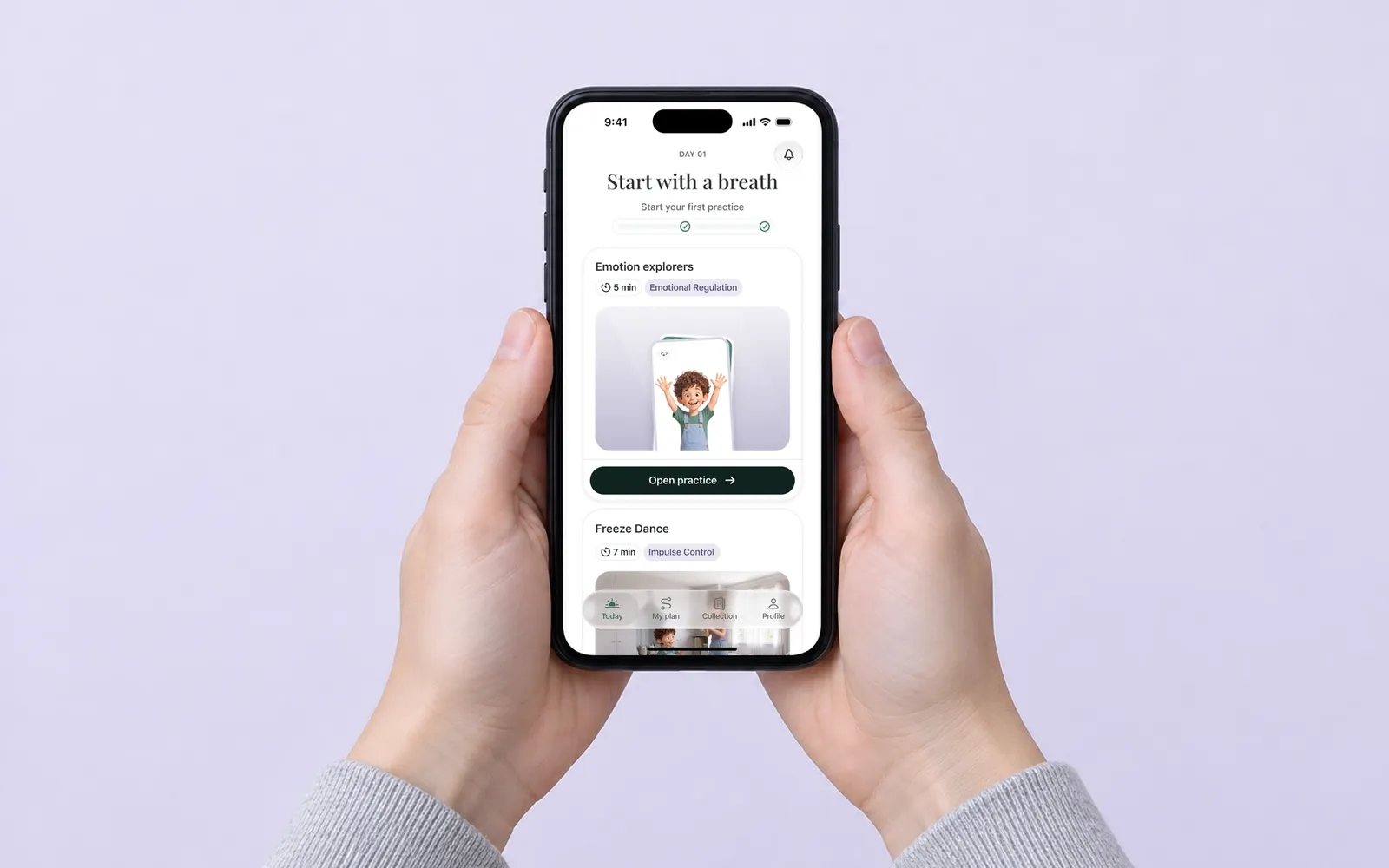
About Roohy · 4 min read
How to cancel Roohy subscription (or pause it instead)
Written by Roohy Team
Read more: How to cancel Roohy subscription (or pause it instead)
 English
 Deutsch
 Français
 Español
 Italiano
 Português
 Português (Brasil)
 Polski
 العربية
 Čeština
 日本語
 Türkçe